
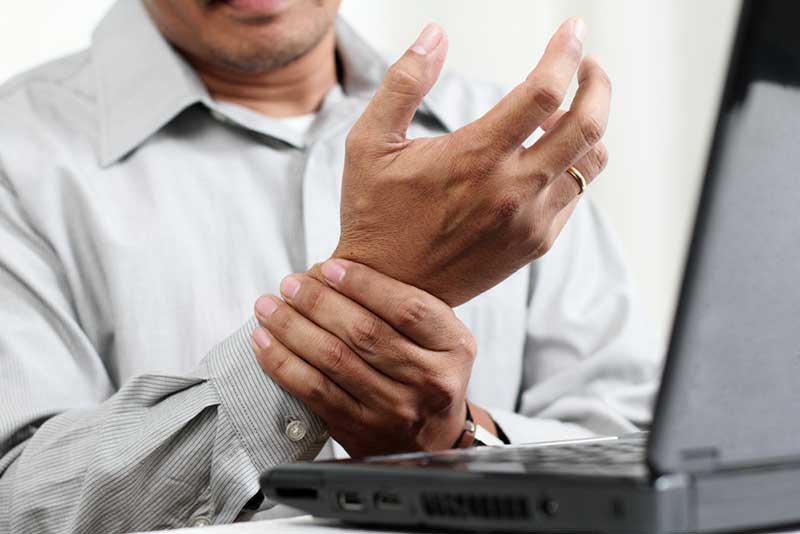
Carpal Tunnel Syndrome Treatment in Mt Pleasant & Iowa City, IA
Carpal tunnel syndrome can make everyday tasks like typing, gripping, or lifting painful and difficult. At Aspire Integrated Medical, we offer non-surgical, drug-free treatments designed to relieve pressure on the median nerve, reduce symptoms, and restore full hand function—without surgery whenever possible. Call (319) 385-1430 - Mt Pleasant Office or (319) 385-1430 - Iowa City Office to schedule your consultation today.
Request an AppointmentWhat Is Carpal Tunnel Syndrome?
Carpal tunnel syndrome (CTS) is a common and often progressively worsening condition caused by compression of the median nerve as it passes through the carpal tunnel—a narrow passageway in the wrist formed by bones and ligaments. When the structures within this tunnel become inflamed or thickened, they can press on the median nerve, disrupting its function and causing the characteristic symptoms of pain, numbness, and weakness in the hand and fingers. CTS is one of the most frequently diagnosed peripheral nerve compression disorders, particularly among those who perform repetitive hand and wrist movements.
Symptoms of Carpal Tunnel Syndrome
The most recognizable symptoms of carpal tunnel syndrome include numbness or tingling in the thumb, index, and middle fingers (the area served by the median nerve), weakness in the hand that makes gripping objects difficult, pain in the wrist that may radiate up the forearm, a burning or “pins and needles” sensation in the fingers, and symptoms that tend to worsen at night or with sustained repetitive use. Many patients report waking up at night with numb or painful hands and needing to shake or rub them to relieve the sensation.
Common Causes of Carpal Tunnel Syndrome
Medical causes of CTS include direct nerve compression within the wrist, inflammation of the tendons running through the carpal tunnel, wrist injuries or trauma, and underlying conditions such as arthritis, diabetes, or thyroid disorders. Lifestyle-related causes include repetitive hand and wrist movements such as typing, assembly work, or using vibrating tools, prolonged computer or phone use without ergonomic support, poor wrist positioning during work or sleep, repetitive gripping or lifting, and extended periods of repetitive tasks without adequate breaks.
Our Treatment Approach for Carpal Tunnel Syndrome
At Aspire Integrated Medical, we focus on reducing nerve compression and improving hand function—without relying on surgery whenever possible. Your personalized treatment plan may include chiropractic care for wrist and upper extremity alignment, laser therapy to reduce inflammation and relieve nerve pressure, regenerative therapies to support tissue healing within and around the carpal tunnel, soft tissue therapy to relieve muscular tension in the forearm and wrist, and corrective exercises and ergonomic guidance to reduce strain and prevent symptom recurrence. Our goal is to help you restore strength, reduce symptoms, and return to full activity.
Why Choose Aspire Integrated Medical for Carpal Tunnel Treatment?
At Aspire Integrated Medical, we help patients regain full hand function and return to work and daily activities pain-free—without surgery. Serving patients in Mt Pleasant, Iowa City, Burlington, Fairfield, Washington, and throughout Southeast Iowa, our non-surgical, drug-free approach to carpal tunnel syndrome is backed by advanced therapies and personalized care plans tailored to your lifestyle and occupational demands. If you are searching for carpal tunnel treatment near me or wrist pain relief in Mt Pleasant & Iowa City, our experienced team is here to help.
Frequently Asked Questions About Carpal Tunnel Syndrome Treatment
Can carpal tunnel syndrome go away without surgery?
Yes, many cases of carpal tunnel syndrome respond well to non-invasive treatments that reduce pressure on the median nerve. At Aspire Integrated Medical, we have helped many patients achieve lasting relief through conservative care, avoiding the risks and recovery time associated with carpal tunnel release surgery.
What is the main cause of carpal tunnel syndrome?
Repetitive hand and wrist movements—such as typing, assembly work, and prolonged computer use—are the most common contributing factors. These activities cause inflammation and thickening of the tendons within the carpal tunnel, which then compresses the median nerve over time.
How do I know if I have carpal tunnel syndrome?
Common signs include numbness or tingling in the thumb, index, and middle fingers, weakness when gripping objects, wrist pain that may radiate into the forearm, and symptoms that worsen at night or with sustained hand use. A professional evaluation at Aspire Integrated Medical can confirm the diagnosis and identify the severity of nerve involvement.
What activities should I avoid with carpal tunnel syndrome?
Repetitive wrist flexion and extension, prolonged gripping, and sustained computer use without breaks can all worsen carpal tunnel symptoms. Our team will provide specific ergonomic recommendations and activity modifications to help reduce strain on the wrist during your recovery.
Is carpal tunnel syndrome permanent?
Not necessarily. With early and appropriate treatment, many patients achieve full or near-full resolution of their symptoms. Long-standing, severe cases carry a greater risk of permanent nerve changes, which is why early evaluation and treatment are so important.
When should I seek treatment for carpal tunnel syndrome?
If you are experiencing numbness, tingling, weakness, or wrist pain that persists, worsens, or is affecting your ability to perform your job or daily activities, seek evaluation at Aspire Integrated Medical as soon as possible. Early intervention leads to the best outcomes and the greatest chance of avoiding surgery.
Can acupuncture help with carpal tunnel syndrome?
Yes, acupuncture can be a beneficial complementary treatment for carpal tunnel syndrome, helping to reduce inflammation, improve circulation, and relieve pain and tension in the wrist and forearm. Our team at Aspire Integrated Medical may incorporate acupuncture into your personalized care plan when appropriate.